
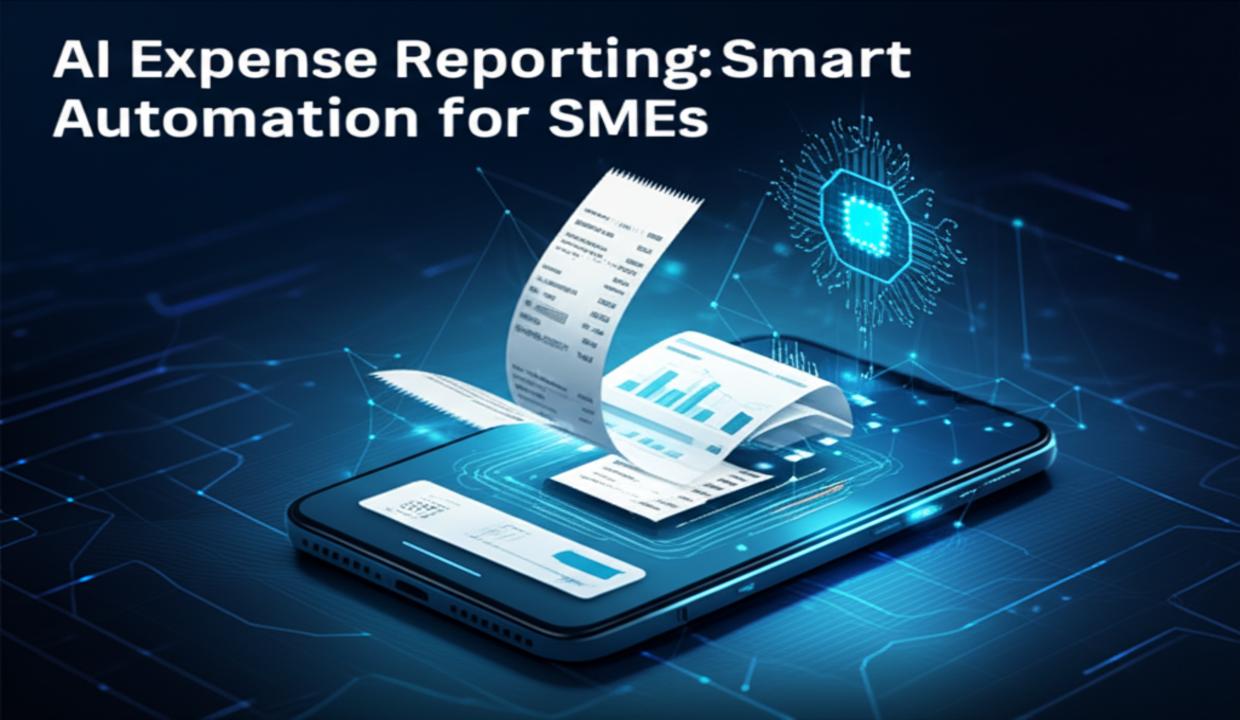
Managing business expenses can be a tedious and error-prone task for Small and Medium-sized Enterprises (SMEs). From collecting receipts to manual data entry and compliance checks, the process often consumes valuable time and resources. However, the landscape is rapidly transforming thanks to AI-enhanced SaaS tools designed for automated expense reporting.
These innovative solutions leverage the power of artificial intelligence (AI) and machine learning (ML) to streamline, automate, and significantly improve the accuracy of managing business expenditures. This article will explore how these cutting-edge tools are revolutionizing financial management for SMEs, boosting efficiency, and providing unparalleled financial visibility.
Unveiling AI-Enhanced SaaS Tools for Automated Expense Reporting
At its core, AI expense reporting refers to software-as-a-service (SaaS) platforms that use AI to automate the entire expense management lifecycle. This includes everything from initial receipt capture to report generation, approval workflows, and integration with accounting systems. For SMEs, this automation translates directly into saved time and reduced costs.
The goal is to eliminate manual chores, reduce human error, and ensure compliance with company policies and tax regulations. By doing so, SMEs can shift their focus from administrative burdens to strategic financial planning and core business activities. This transformation is not just about efficiency; it’s about empowering smarter financial decisions.
The Core Mechanics: How AI Powers Expense Management
The magic behind these SaaS tools for SMEs lies in their sophisticated use of AI and machine learning. These technologies enable a suite of features that redefine traditional expense processes. Understanding these core mechanics helps appreciate the true value they bring.
- Smart Receipt Scanning with AI/OCR: One of the most impactful features is the ability to automatically extract crucial data from receipts and invoices. AI-powered Optical Character Recognition (OCR) technology identifies dates, amounts, vendors, and expense categories. This eliminates manual entry, drastically reducing errors and speeding up the process. Platforms like Expensify and Zoho Expense are prime examples of tools excelling in this area.
- Automatic Policy Compliance: AI engines are trained to understand and enforce your company’s expense policies in real-time. If an expense exceeds a limit or falls outside permitted categories, the system flags it automatically. This ensures consistency, prevents non-compliant spending, and significantly reduces the workload for oversight teams. It’s like having a dedicated compliance officer for every transaction.
- Automated Approvals & Workflows: Expense reports are no longer stuck in email inboxes. AI-driven workflows route reports through pre-set approval chains based on departments, spending limits, or employee roles. This accelerates turnaround times, minimizes communication delays, and ensures that approvals happen promptly, contributing to faster reimbursements.
Advanced Features and Integrations for Seamless Operations
Beyond the core automation, modern AI expense reporting tools offer advanced functionalities that further enhance financial operations for SMEs. These features contribute to a holistic approach to expense management, making it an integral part of overall financial health.
- Real-time Analytics and Reporting: Interactive dashboards provide SMEs with granular insights into spending patterns. You can visualize expenses by category, department, or individual, identifying trends and outliers. This real-time visibility supports data-driven budgeting, cost control initiatives, and better financial forecasting. It provides the actionable intelligence needed for strategic growth.
- Integration with Financial Systems: Seamless integration is a cornerstone of effective financial management. These tools sync effortlessly with existing accounting software like QuickBooks, ERP systems, payroll solutions, and inventory management platforms. For instance, Zoho Expense integrates deeply within the broader Zoho ecosystem, creating a unified financial management environment. This reduces manual reconciliation, prevents data silos, and empowers a truly unified financial picture. Explore how these systems contribute to comprehensive financial automation by checking out resources on expense management automation.
- Mobile Accessibility: The flexibility of mobile apps is crucial for today’s dynamic workforce. Employees can capture expenses, upload receipts, and submit reports directly from their smartphones, anytime and anywhere. This significantly increases on-time report submissions, minimizes lost receipts, and dramatically reduces paperwork, promoting a more agile and efficient workflow.
What’s New in 2025? Emerging Trends and Leading Platforms
The market for automated expense management is constantly evolving, with new breakthroughs enhancing existing capabilities. As we move into 2025, several key trends and platforms are leading the charge in bringing sophisticated AI to SMEs.
Leading solutions like Zoho Expense continue to innovate, offering features such as ML-driven AutoScan and flexible pricing structures, including free plans, making advanced finance tools accessible to businesses of all sizes. Its deep integration across the Zoho ecosystem provides a robust solution for diverse SME needs. Platforms like Expensify and Airbase remain frontrunners, known for their powerful AI receipt scanning, streamlined workflows, and intuitive approval processes.
Emerging tools are increasingly leveraging AI not just for data extraction but for more advanced functions. This includes sophisticated expense categorization, anomaly detection, and even fraud prevention. The future promises predictive cash flow analytics, offering SMEs proactive insights to inform their financial planning and decision-making, moving beyond reactive expense reporting to proactive financial foresight.
For a deeper dive into the leading solutions, you can find a comprehensive guide on top AI expense management tools for small businesses. This continuous innovation ensures that SMEs have access to increasingly powerful tools to optimize their financial operations.
Real-World Benefits: Why SMEs Need AI Expense Reporting
Adopting AI expense reporting tools offers a multitude of tangible benefits that directly impact an SME’s bottom line and operational efficiency. These advantages make a compelling case for transitioning from traditional methods to modern, intelligent solutions.
- Time and Cost Savings: Automation dramatically reduces the manual effort involved in expense capture, data entry, and report generation. This frees up valuable time for finance teams and employees, allowing them to focus on higher-value, strategic tasks rather than repetitive administrative chores. This efficiency translates directly into significant cost savings.
- Improved Accuracy and Compliance: By minimizing human intervention, AI reduces the likelihood of errors in expense reporting. Furthermore, built-in policy enforcement ensures that all expenditures adhere to company guidelines, while automated audit trails provide clear documentation for compliance and financial reviews, reducing audit risks.
- Enhanced Financial Visibility: Real-time access to accurate expense data empowers SMEs with unprecedented visibility into their spending. This clarity facilitates better budgeting, identifies areas for cost optimization, and allows for more accurate cash flow forecasting. Better financial insights lead to smarter decisions and, ultimately, improved profitability.
- Scalable and Affordable: The SaaS model offers immense flexibility. Many SaaS tools for SMEs provide tiered pricing plans, making them accessible and affordable even for small firms with tight budgets. As your business grows, these solutions can scale seamlessly to accommodate increasing expense volumes and complexity without significant upfront investment. Learn more about how AI is revolutionizing expense tracking.
Strategic Considerations: Pricing, Scalability, and Future Potential
When considering an automated expense management solution, SMEs must look beyond immediate benefits and consider long-term strategic implications. Pricing models, scalability, and the future evolution of AI play crucial roles in this decision.
Most AI expense reporting tools operate on a subscription basis, with pricing often dependent on the number of users or expense volume. This offers predictable costs and avoids large capital expenditures. The inherent scalability of SaaS means these tools can grow with your business, supporting increased employee numbers and transaction volumes without significant IT overhead.
Looking ahead, AI sophistication promises even more accurate anomaly detection, deeper predictive financial insights, and potentially fully autonomous expense processing. This continued advancement will further empower SMEs, providing even more powerful tools for financial management and growth. However, it’s essential to recognize that human oversight will remain critical for complex scenarios and to ensure ethical AI deployment.
The Ups and Downs: Pros and Cons of AI Expense Reporting
While the benefits are clear, it’s important for SMEs to have a balanced view of adopting AI expense reporting. Understanding both the advantages and potential challenges helps in making an informed decision.
| Pros | Cons |
|---|---|
| Significant time and cost savings. | Dependency on quality receipt images/data. |
| Improved accuracy and reduced human errors. | Initial integration efforts with existing systems. |
| Real-time financial visibility and control. | Potential need for human oversight for edge cases. |
| Automated compliance and audit trails. | Learning curve for employees and finance teams. |
| Scalable and flexible SaaS pricing models. | Security concerns for sensitive financial data. |
| Enhanced employee experience and productivity. | Vendor lock-in potential. |
Beyond Automation: Choosing the Right Tool and Maximizing Impact
Selecting the right AI expense reporting tool involves more than just looking at features. SMEs should consider their specific needs, existing financial infrastructure, and long-term growth plans. A thorough comparison of leading platforms can be invaluable. For example, a detailed head-to-head comparison can help identify the best fit.
Once implemented, maximizing the impact of these tools requires comprehensive training for employees and finance teams. Establishing clear policies for expense submission and review processes is also crucial. By fully embracing the capabilities of these systems, SMEs can transform expense management from a reactive chore into a proactive, strategic advantage. The goal is to leverage AI not just for automation but for gaining deeper insights and fostering a culture of financial discipline. For further options, you can consult lists of the best expense management software for small business.
Watch More in This Video
For a visual overview and reviews of leading platforms, check out this insightful video titled “Top AI Expense Management Tools for Small Businesses in 2025” which reviews popular platforms like Zoho Expense, Expensify, and Airbase, highlighting their AI features, pricing, and integrations geared for SME needs.
Frequently Asked Questions (FAQs)
- What is AI expense reporting?
AI expense reporting uses artificial intelligence and machine learning to automate the entire expense management process. This includes smart receipt scanning, automated data entry, policy compliance checks, and streamlined approval workflows, significantly reducing manual effort and errors for businesses. - How do AI tools improve accuracy in expense management?
AI-powered tools improve accuracy by using Optical Character Recognition (OCR) to extract data directly from receipts, minimizing human data entry errors. They also enforce company policies automatically, flagging non-compliant expenses and ensuring adherence to guidelines, leading to more precise financial records. - Can these SaaS tools integrate with existing accounting software?
Yes, most AI-enhanced SaaS tools are designed for seamless integration with popular accounting software like QuickBooks, Zoho Books, and various ERP systems. This ensures that expense data flows directly into your financial records, eliminating manual reconciliation and providing a unified view of your finances. - Are AI expense reporting tools suitable for very small businesses?
Absolutely. Many SaaS tools for SMEs offer flexible pricing tiers, including free options or low-cost plans, making them accessible even for sole proprietors or micro-businesses. They scale easily, so they can grow with your business, providing value from day one. - What are the key benefits of automated expense management for SMEs?
The main benefits include significant time and cost savings due to automation, improved data accuracy, enhanced financial visibility through real-time analytics, better policy compliance, and greater scalability. These tools free up resources and provide actionable insights for better decision-making.
Conclusion: The Future of SME Finance is Automated and Intelligent
AI-enhanced SaaS tools for automated expense reporting in SMEs are no longer just a luxury; they are becoming a necessity for any business looking to optimize its financial operations. By automating tedious tasks, reducing errors, enforcing policies, and providing actionable insights, these solutions empower SMEs to gain better control over their expenses and foster sustainable growth.
The market is evolving rapidly, with more advanced AI features and deeper system integrations becoming standard. Embracing these innovative technologies is a critical step towards building a more efficient, accurate, and strategically informed financial future for your business. Don’t let manual expense processes hold you back; it’s time to leverage the power of AI. If you found this article helpful, feel free to share it with your network, comment on your experiences, or learn more About Us and explore other resources. For any specific inquiries, please don’t hesitate to Contact us. This is how we embrace #SmartExpenseManagement for SMEs.
Disclaimer: All images and videos are sourced from public platforms like Google and YouTube. If any content belongs to you and you want credit or removal, please inform us via our contact page.