
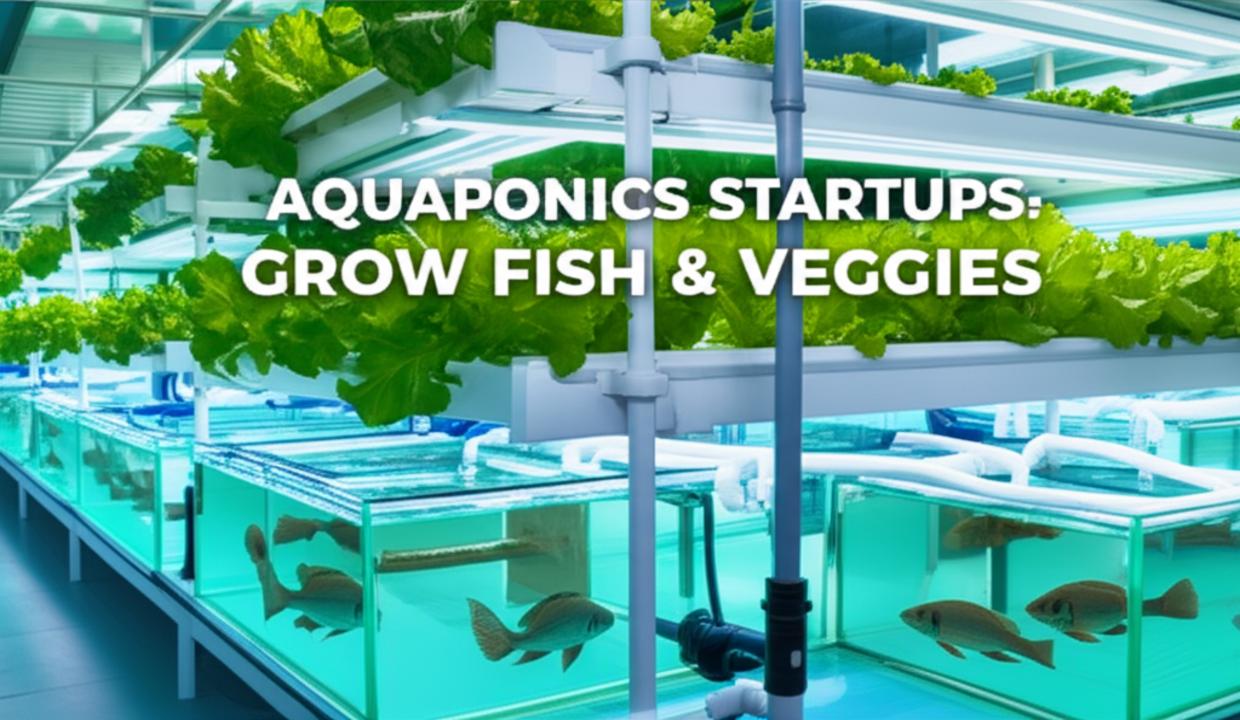
In a world increasingly focused on sustainable food production, a revolutionary method is gaining significant traction: agri aquaponics. Imagine a farm where plump fish swim happily, their waste nourishing vibrant vegetables. This isn’t a futuristic dream; it’s the reality of modern aquaponics farm operations, especially those pioneered by innovative aquaponics startups.
This article dives deep into the fascinating world of agri aquaponics startups. We’ll explore how these ventures seamlessly blend fish and vegetable farming, creating highly efficient and environmentally friendly food systems. Get ready to discover the immense potential and practicalities behind growing fish and veggies together on the same farm.
What Exactly Are Agri Aquaponics Startups?
At its core, agri aquaponics is a symbiotic farming method that combines aquaculture (raising fish) with hydroponics (growing plants without soil). Agri aquaponics startups are businesses dedicated to establishing and scaling these integrated systems. They focus on creating a closed-loop environment where two distinct food products are harvested simultaneously.
The beauty of this system lies in its natural cycle. Fish waste, rich in nutrients, becomes a natural fertilizer for the plants. Meanwhile, the plants filter the water, cleaning it for the fish, creating a self-sustaining ecosystem. This innovative approach optimizes resource use, making it incredibly efficient and productive, particularly for startups looking to make a significant impact in sustainable agriculture.
The Core Principles of an Aquaponics Farm
Operating a successful aquaponics farm hinges on understanding the delicate balance between its components. Fish are raised in tanks, producing waste that contains ammonia. Beneficial bacteria then convert this ammonia first into nitrites and then into nitrates. These nitrates are the perfect, easily absorbable food for plants.
The nutrient-rich water is then pumped from the fish tanks to the plant growing beds. Here, the plants absorb the nitrates and other dissolved nutrients. As they do, they effectively purify the water, which is then returned clean to the fish tanks. This continuous recirculation is what defines the closed-loop nature of an aquaponics system, ensuring minimal waste and maximum efficiency.
This integrated approach allows for intensive food production. A single source of nitrogen – typically fish feed – supports the growth of both aquatic animals and terrestrial plants. It’s a testament to how natural processes can be harnessed for modern, high-yield farming, paving the way for a more sustainable food future.
Why Invest in Agri Aquaponics? Key Benefits Unpacked
The advantages of agri aquaponics startups extend far beyond novelty. They offer tangible benefits that address some of the most pressing challenges in food production today. From environmental sustainability to economic resilience, aquaponics presents a compelling case for its widespread adoption. Here are some of the key features and benefits driving its growth:
Sustainable Intensive Production
One of the standout features of an aquaponics farm is its ability to produce high yields in a small footprint. Unlike traditional agriculture that requires vast tracts of land, aquaponics can be set up in urban areas, warehouses, or even on rooftops. This intensive production model means more food can be grown using less space, which is crucial for a growing global population.
With only one primary input – fish feed – both fish and vegetables thrive. This singular nutrient source simplifies management and minimizes external dependencies, fostering true sustainability. It’s an ideal setup for startups aiming for efficient, high-volume output.
Unmatched Water Efficiency
Water scarcity is a global crisis, and traditional farming is notoriously water-intensive. Agri aquaponics dramatically changes this narrative. By continuously recycling water within the system, aquaponics uses up to 90% less water than conventional soil-based agriculture. This makes it an incredibly appealing solution for regions facing severe water shortages.
This incredible water saving capability is a primary driver for many aquaponics startups, allowing them to operate profitably even in arid environments. The focus on water conservation makes aquaponics a truly forward-thinking and responsible farming method.
Naturally Chemical-Free and Organic
In an aquaponics farm, the nutrients for plants come directly and naturally from fish waste, processed by beneficial bacteria. This eliminates the need for synthetic fertilizers, pesticides, or herbicides. The result is pure, chemical-free, and often certified organic food products that are healthier for consumers and the environment.
For aquaponics startups, this organic approach is a major selling point. Consumers are increasingly demanding clean, healthy food, and aquaponics delivers exactly that. It aligns perfectly with the growing trend towards sustainable and responsible food choices. You can learn more about these advantages and why a chemical-free approach is so vital here.
Climate and Soil Independence
One of the most liberating aspects of agri aquaponics is its freedom from traditional agricultural constraints. Since these systems do not require soil, they can be established virtually anywhere. Think deserts, urban rooftops, abandoned warehouses, or even indoors in controlled environments. This independence from fertile land opens up possibilities previously unimagined.
Operating in greenhouses or indoor settings also allows for year-round production, regardless of external weather conditions. This consistent output is a huge advantage for aquaponics startups, ensuring a steady supply of fresh produce and fish, no matter the season or local climate.
Diversifying Your Harvest: Fish and Vegetables
With an aquaponics farm, you’re not just growing one crop; you’re producing two valuable food items simultaneously: protein-rich fish and nutrient-dense vegetables. This dual output significantly enhances the nutritional value of the food produced and provides incredible economic resilience for farmers and startups.
This diversification means multiple revenue streams and reduced risk. If one product faces market fluctuations, the other can help stabilize income. It’s a smart strategy for fostering food security and income stability, especially for smallholders and budding aquaponics startups aiming for comprehensive food production.
Accelerated Growth for Higher Yields
Plants in aquaponics systems often exhibit faster growth rates compared to soil-based cultivation. This is attributed to the optimized delivery of nutrients directly to their roots in a readily available form. The consistently oxygenated and nutrient-rich water accelerates root and shoot development, leading to quicker harvests and increased overall productivity.
This accelerated growth cycle translates into more frequent yields, making the aquaponics farm highly productive per square foot. For startups, this efficiency means a faster return on investment and the ability to meet higher market demand. The symbiotic relationship between fish and plants truly boosts their growth.
Scalability and Innovation: From Local to Large
The versatility of agri aquaponics is immense. Systems can range from small, backyard setups for personal use to large-scale commercial farms feeding entire communities. This scalability means aquaponics startups can begin modestly and expand as demand grows, or launch ambitious operations from day one.
Innovation continues to drive the sector, with advancements in vertical farming, specialized crop varieties (like herbs, strawberries, leafy greens), and common vegetables (tomatoes, peppers, beans) further enhancing productivity and market reach. The adaptability of aquaponics makes it an exciting field for entrepreneurial ventures.
Economic Realities and Business Potential for Aquaponics Startups
While the environmental and production benefits of agri aquaponics are clear, the economic aspects for startups require careful consideration. Commercial aquaponics can be challenging due to initial investment costs and the need for specialized knowledge. However, the potential for profitability is significant with the right approach.
Successful aquaponics startups often combine food production with diversified revenue streams. This might include offering educational workshops, consulting services, or even developing non-food products derived from the system. Meticulous business planning, market analysis, and a focus on premium, locally sourced produce are crucial for long-term success in this innovative sector. Recirculating farms like these are gaining traction for improving food security.
Pioneering the Future: What’s New in Agri Aquaponics for 2025?
The field of agri aquaponics is continuously evolving, with exciting advancements shaping its future. For 2025 and beyond, we are seeing significant progress in several key areas. These innovations are making aquaponics even more efficient, accessible, and attractive for new startups.
Improved system designs are a major highlight. Concepts like channel aquaponics are gaining traction for their efficiency in nutrient uptake by plants. Vertical placement of growing beds is also becoming more common, allowing for even greater space savings and higher yields in compact urban environments. These design enhancements lower operational costs and maximize output.
Furthermore, there’s increased interest from venture capital firms in sustainable farming technologies. While hydroponics often grabs headlines, investment is gradually flowing into agri aquaponics, recognizing its dual product stream and robust sustainability profile. This financial backing provides crucial support for ambitious aquaponics startups, fostering rapid growth and innovation in the sector.
Practical Steps for Launching Your Aquaponics Venture
For aspiring aquaponics startups, the journey begins with careful planning and execution. It’s essential to understand the core components and daily operations of an aquaponics farm. Start by selecting the right system design that matches your space and production goals. This could be a small backyard unit or a commercial-scale operation.
Crucial aspects include meticulous water management, ensuring optimal pH levels, nutrient concentrations, and temperature for both fish and plants. Choosing the appropriate fish species (like tilapia or trout) and plant varieties (leafy greens, herbs, or fruiting vegetables) is also vital for success. Proper stocking densities and feeding regimes for fish contribute directly to plant health and overall system balance.
Remember that consistent monitoring and adaptation are key. Investing in reliable testing kits and automation can simplify daily tasks. Learning from experienced aquaponics farmers and understanding the biological interactions within your system will greatly enhance your chances of building a thriving fish and vegetable farming enterprise. You can gain valuable insights into setup and management here.
Pros and Cons of Agri Aquaponics Startups
| Pros | Cons |
|---|---|
| High yields in small spaces. | Higher initial setup costs. |
| Uses up to 90% less water. | Requires specialized knowledge and monitoring. |
| Chemical-free, organic produce. | Vulnerable to system imbalances if not managed. |
| Year-round production possible. | Electricity dependence for pumps and aeration. |
| Dual revenue stream (fish & veggies). | Market development for niche products. |
| Can be located anywhere (soil-independent). | Risk of fish disease affecting plants (rare but possible). |
Future Prospects and the Role of Innovation
The future of agri aquaponics startups looks promising, driven by increasing global demand for sustainable, locally sourced food. As technology advances, these systems will become even more efficient, automated, and cost-effective. Research into new fish species, plant varieties, and disease prevention will further solidify aquaponics as a mainstream agricultural practice.
Moreover, the integration of artificial intelligence and IoT (Internet of Things) devices promises to revolutionize aquaponics farm management. Automated nutrient dosing, environmental control, and predictive analytics will reduce human error and optimize production. This technological push makes agri aquaponics an exciting frontier for innovation, attracting more entrepreneurs and investors into the space. The #FutureOfFood is undoubtedly linked to these advancements.
FAQ
- What is the primary benefit of an agri aquaponics system?
The main benefit is its sustainable, closed-loop nature, combining fish and vegetable farming. This process conserves up to 90% more water than traditional farming, produces chemical-free food, and yields two products (fish and plants) from a single system, optimizing resource use and space. - Are aquaponics startups profitable?
Profitability for aquaponics startups varies. While initial investment can be high, long-term profitability is possible through diversified revenue streams, efficient system management, and a focus on premium, locally sourced products. Careful business planning and market research are essential for success. - What are common fish and plants grown in aquaponics?
Common fish include Tilapia, Trout, Catfish, and Koi. Popular plants for agri aquaponics include leafy greens like lettuce, kale, and spinach, herbs such as basil and mint, and fruiting plants like tomatoes, peppers, cucumbers, and strawberries. - Is aquaponics suitable for urban areas?
Absolutely. One of the major advantages of an aquaponics farm is its independence from soil and climate. This allows systems to be established in urban environments, including rooftops, warehouses, or vertical farms, bringing fresh food closer to consumers and reducing transportation costs.
Conclusion
Agri aquaponics startups represent a vibrant and vital step towards a more sustainable and resilient food system. By ingeniously combining fish and vegetable farming, these ventures offer solutions to critical challenges like water scarcity, land use, and the demand for organic produce. From enhanced sustainability to economic diversification, the benefits are clear.
Whether you’re an aspiring entrepreneur, an environmental enthusiast, or simply curious about the future of food, agri aquaponics offers a compelling vision. It’s a testament to how innovation and ecological principles can converge to feed the world more efficiently and responsibly. We encourage you to delve deeper, learn more, and perhaps even start your own journey into this rewarding field. For more insights, you can always read other articles on our site, or contact us with your questions. To learn more about us, visit our About Us page.
Dive Deeper: Watch This Aquaponics Startup Guide
Get a visual walkthrough of setting up your own agri aquaponics system, including tips on water management, fish selection, and plant choices for year-round production.
Disclaimer: All images and videos are sourced from public platforms like Google and YouTube. If any content belongs to you and you want credit or removal, please inform us via our contact page.