
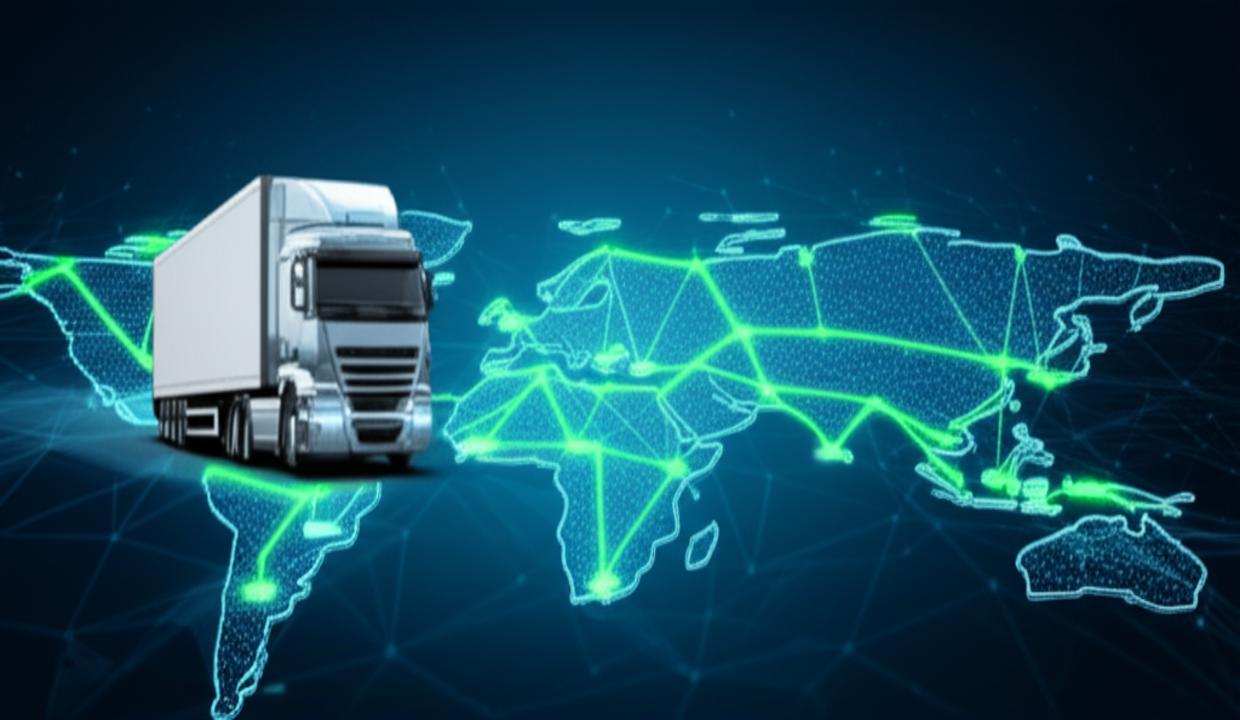
In today’s fast-paced world, efficient logistics is no longer just an advantage; it’s a necessity. Businesses, from small local deliveries to vast international supply chains, constantly seek ways to cut costs, enhance service, and minimize their environmental footprint. Enter AI in logistics, particularly route optimization software, which is revolutionizing how goods move. This technology promises substantial fuel cost reduction and unparalleled logistics efficiency, offering a competitive edge that traditional methods simply cannot match. If you’re looking to unlock huge savings and streamline your operations, understanding these AI-powered tools is your first step.
This article will dive deep into how AI-driven route optimization works, its myriad benefits, and why it’s becoming an indispensable part of modern supply chain AI strategies. We’ll explore its key features, discuss what’s new in 2025, and provide insights into its real-world impact. Get ready to discover how artificial intelligence is paving the way for smarter, greener, and more economical logistics.
Main Highlights: AI in Logistics: Route Optimization Tools Saving Fuel Costs
At its core, AI in logistics for route optimization is about making smarter decisions faster. These tools leverage sophisticated algorithms to analyze vast amounts of data, identifying the most efficient pathways for deliveries. The primary goal is to minimize mileage, reduce travel time, and, consequently, cut down fuel consumption significantly. It’s a game-changer for any business reliant on transportation.
Imagine a system that not only plans the best route before a journey begins but also adapts it in real-time as conditions change. This dynamic capability is what sets AI-powered solutions apart. They continuously learn and adjust, ensuring your fleet operates at peak efficiency, day in and day out. This proactive approach leads to substantial savings and improved operational flow.
Performance and Key Features
The performance of AI route optimization software stems from its ability to process complex variables simultaneously. Unlike static navigation systems, AI tools are dynamic and responsive. They don’t just find the shortest path; they find the optimal path considering multiple factors that impact fuel efficiency and delivery schedules.
- Real-Time Data Analysis: These systems ingest live data feeds including traffic congestion, road closures, weather conditions, and even vehicle status. This continuous influx of information allows for highly accurate and up-to-the-minute route planning.
- Predictive Analytics: Leveraging historical data and current trends, AI can anticipate future conditions. This means predicting traffic patterns at specific times of day or potential weather disruptions, allowing for proactive route adjustments before problems arise.
- Dynamic Rerouting: If an unforeseen event occurs, such as a sudden accident or a new road closure, the AI system can instantly recalculate and suggest alternative routes. This “on-the-fly” adjustment minimizes delays and ensures drivers stay on the most efficient path.
- Resource Optimization: Beyond just roads, the software considers vehicle capacity, driver schedules, delivery time windows, and even the type of goods being transported. This holistic approach ensures optimal resource utilization, reducing unnecessary mileage and improving fleet deployment.
- Machine Learning Capabilities: The more data these systems process, the smarter they become. Machine learning algorithms continuously refine route planning accuracy, leading to even greater efficiencies and fuel cost reduction over time. Complex route plans that once took hours to devise manually can now be generated in minutes.
These features collectively contribute to enhanced logistics efficiency, helping businesses maintain tight delivery schedules and respond rapidly to changing conditions.
Technology and Safety
The technological backbone of AI route optimization goes beyond just mapping. It integrates seamlessly with other critical systems, such as telematics. This integration provides a comprehensive view of fleet operations, allowing for continuous driver and route performance monitoring.
From a safety perspective, AI contributes significantly. By optimizing driving times and finding less congested routes, these systems can help reduce driver fatigue. Fewer sudden stops and starts due to traffic also mean a smoother, safer journey, which can prolong vehicle lifespan and reduce the likelihood of accidents. Driver safety is paramount, and AI tools play a crucial role in supporting it.
Moreover, accurate delivery windows provided by AI-driven systems improve overall customer satisfaction. When customers know exactly when to expect their deliveries, it builds trust and improves the service experience. This is a vital aspect of modern logistics, where reliability is key. For more information on how technology is shaping logistics, check out our About Us page.
What’s New in 2025?
The year 2025 brings even more sophisticated advancements to AI in logistics. The focus is increasingly on hyper-personalization and predictive maintenance capabilities integrated directly into route optimization. Fleets are seeing impressive results, with many achieving 15-20% fuel reductions by leveraging these dynamic and real-time data integration systems.
Newer platforms are enhancing their ability to monitor traffic, road closures, and weather, dynamically adjusting routes on the fly to avoid congestion and idle time. This direct contribution to fuel savings, often reaching up to 20% for fleets, is a major highlight. The integration of AI with telematics systems is becoming standard, offering continuous feedback loops for both driver behavior and route effectiveness.
We’re also seeing an increased emphasis on sustainability benefits. Modern AI solutions not only optimize routes for efficiency but also track fuel consumption and emissions more accurately. This enables companies to proactively lower their environmental impact, contributing to greener logistics operations, a critical goal for many businesses in 2025 and beyond. The future of #GreenLogistics is here.
Pricing and Variants
The pricing for AI route optimization software varies widely based on the provider, the scale of your operations, and the specific features required. Most solutions are offered as Software-as-a-Service (SaaS), typically on a subscription model.
- Subscription Tiers: Providers often offer tiered pricing based on the number of vehicles in your fleet, the volume of routes optimized per month, or the complexity of features needed (e.g., basic optimization vs. advanced predictive analytics and real-time rerouting).
- Custom Solutions: Larger enterprises with unique operational complexities might opt for custom-built or highly integrated solutions, which naturally come with a higher initial investment but offer tailored functionalities.
- Integration Costs: Consider potential costs associated with integrating the AI software with existing ERP, TMS, or telematics systems. Many modern solutions offer robust APIs for smoother integration.
While there’s an upfront cost, the significant fuel cost reduction and improvements in logistics efficiency typically result in a rapid return on investment (ROI). It’s crucial to evaluate providers not just on price, but on their ability to deliver measurable savings and operational improvements for your specific business needs.
Pros and Cons
| Pros | Cons |
|---|---|
| Significant fuel cost reduction (up to 20%). | Initial investment in software and potential hardware. |
| Dramatic increase in logistics efficiency and delivery speed. | Requires data integration with existing systems (telematics, CRM). |
| Enhanced customer satisfaction through accurate delivery times. | Learning curve for staff to adopt new workflows. |
| Improved driver safety by reducing fatigue and avoiding congestion. | Dependency on data quality for optimal performance. |
| Reduced environmental impact through lower emissions. | Ongoing subscription fees. |
| Quick adaptation to real-time traffic and weather changes. | Potential for unforeseen technical glitches. |
Bonus Section
Competitive Analysis: AI vs. Traditional Methods
When comparing AI route optimization software to traditional manual planning or basic GPS systems, the difference is stark. Manual planning, no matter how experienced the dispatcher, cannot account for the sheer volume of real-time variables that AI processes. It’s often static, prone to human error, and slow to react to changes.
Basic GPS systems provide turn-by-turn directions but lack the intelligence to optimize multi-stop routes based on vehicle capacity, driver breaks, or dynamic traffic. AI, however, considers all these factors simultaneously, producing optimized route plans in minutes that would otherwise take hours manually. This allows logistics companies to respond rapidly to changing traffic and weather conditions, maintaining tight delivery schedules with ease. This competitive edge helps firms stay ahead in a demanding market.
Real-world Use Cases
The impact of AI in logistics is evident across various industries:
- Last-Mile Delivery: Companies specializing in last-mile delivery, such as food delivery services and e-commerce giants, use AI to enhance on-time efficiency, minimize delivery windows, and handle thousands of daily deliveries with precision. This translates directly to happier customers and repeat business.
- Trucking Firms: Long-haul and regional trucking companies employ AI to cut fuel expenses significantly, reduce downtime, and increase overall fleet utilization. By optimizing routes for weight, vehicle type, and road restrictions, AI ensures that every mile driven is the most economical. Leveraging AI for route optimization is no longer optional for these firms, but a necessity.
- Service Technicians: Businesses with mobile service teams (e.g., HVAC repair, field maintenance) use AI to schedule appointments efficiently, ensuring technicians spend more time on jobs and less time driving, improving service response times and technician productivity.
These examples highlight the versatility and profound impact of AI-driven route optimization in diverse operational environments. For more insights, you can read about intelligent route optimization.
FAQ
- How much fuel can AI route optimization save?
AI route optimization tools can lead to significant fuel cost reduction, with many fleets reporting savings of up to 20%. This is achieved by dynamically finding the shortest, fastest, and most fuel-efficient routes, reducing idle time, and minimizing unnecessary mileage.
- Is AI route optimization difficult to implement?
Implementation difficulty varies by provider and your existing infrastructure. Modern AI route optimization software is designed for user-friendliness, often with intuitive interfaces. Integration with existing telematics or TMS systems might require some initial setup, but the long-term benefits typically outweigh these challenges.
- Does AI route optimization improve delivery speed?
Absolutely. By leveraging real-time data analysis, predictive analytics, and dynamic rerouting, AI systems help logistics companies avoid delays, navigate congestion, and maintain tight delivery schedules. This leads to faster, more reliable deliveries and enhanced customer satisfaction.
- Can AI route optimization help with sustainability goals?
Yes, significantly. By reducing fuel consumption and minimizing unnecessary mileage, AI tools directly lower carbon emissions from fleet operations. Many systems also provide detailed reports on fuel efficiency and emissions, helping companies track and meet their sustainability targets. #GoGreen
- What types of businesses benefit most from AI route optimization?
Any business with a mobile fleet, regardless of size, can benefit. This includes last-mile delivery companies, trucking and logistics firms, field service businesses, waste management services, and even school bus operators. The more complex your routes and deliveries, the greater the potential savings and efficiency gains.
Conclusion
The integration of AI in logistics, particularly through advanced route optimization software, represents a pivotal shift in how businesses manage their transportation needs. From unlocking huge savings in fuel costs to dramatically enhancing overall logistics efficiency, these tools are proving indispensable. They offer a future where every delivery is optimized, every mile counts, and every customer is satisfied.
Embracing AI isn’t just about adopting new technology; it’s about investing in a smarter, more sustainable, and more profitable future for your operations. If you’re serious about cutting expenses, improving service quality, and staying ahead of the competition, exploring AI-powered route optimization is no longer an option, but a strategic imperative. Ready to transform your logistics? Contact Us to learn more about how AI can help your business.
Feel free to share your thoughts in the comments below or read other articles on our site for more insights into cutting-edge logistics solutions.
Watch More in This Video
To deepen your understanding of how AI is being deployed in logistics, check out this informative video. It outlines specific case studies where fleets achieved impressive 15-20% fuel reductions by leveraging dynamic routing and real-time data integration, illustrating the practical benefits of this technology.
Disclaimer: All images and videos are sourced from public platforms like Google and YouTube. If any content belongs to you and you want credit or removal, please inform us via our contact page.