
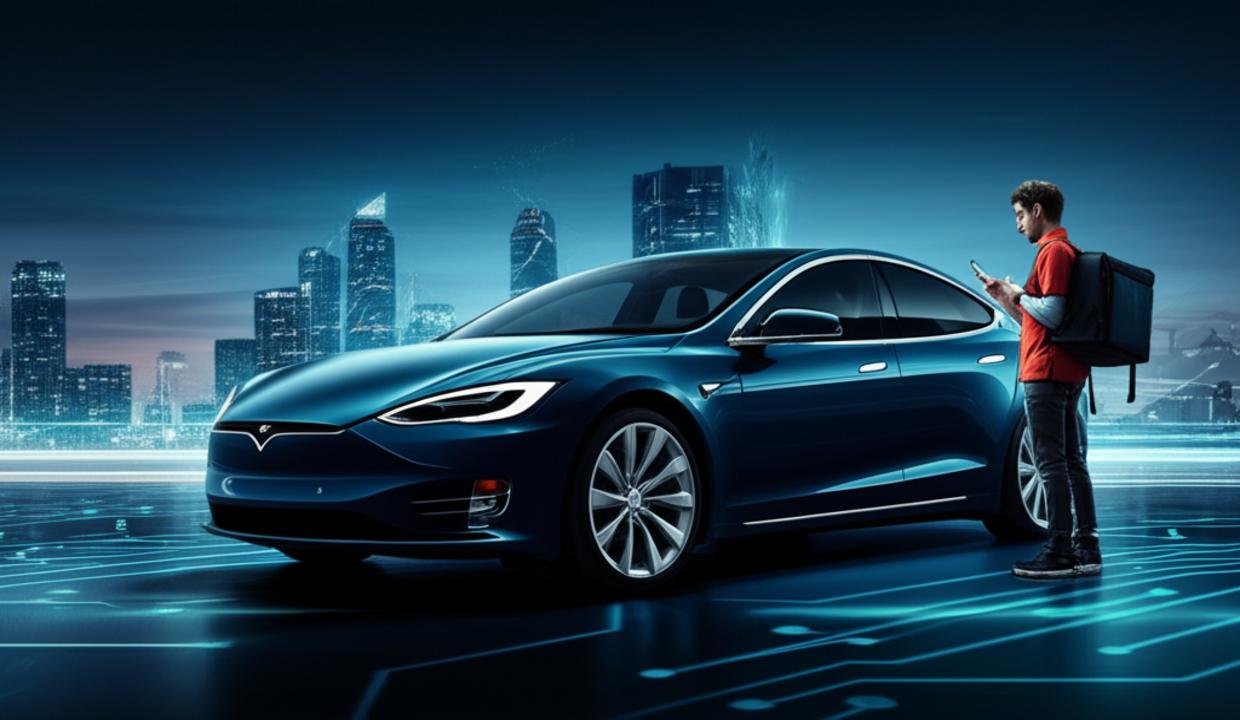
The automotive landscape is undergoing a monumental shift, driven by the twin forces of electrification and the evolving concept of vehicle ownership. Gone are the days when owning a car was the only viable option for personal mobility. Today, innovative EV car sharing startups are redefining how we access and utilize electric vehicles, particularly through groundbreaking shared ownership models.
This article dives deep into these emerging models, exploring how they are democratizing access to clean transportation, reducing the financial burden of EV ownership, and empowering a new generation of users, including the burgeoning gig economy. We’ll look at the key players, the immense benefits, and the future potential of this exciting sector.
Main Highlights: EV Car Sharing Startups: Shared Ownership Models Emerging
Electric vehicle sharing is more than just renting a car; it’s about optimizing resource use and fostering sustainable urban mobility. At its core, shared ownership in the EV space allows multiple individuals to leverage an electric vehicle without the traditional commitments of full ownership. This significantly lowers the barrier to entry for EVs, which often come with a higher upfront cost.
The model promotes accessibility, especially in dense urban environments where parking and charging can be challenging. For many, a shared EV provides the perfect solution, combining convenience with environmental responsibility. It’s a win-win for users and the planet.
The Rise of Peer-to-Peer EV Car Sharing
One of the most compelling manifestations of this trend is peer-to-peer EV car sharing. This model directly connects EV owners with individuals needing temporary access to a vehicle, often for specific purposes like ride-hailing or delivery services. It’s a clever way to utilize underused assets and generate income.
A shining example in this space is Zevo, a Dallas-based startup that has captured significant attention. Zevo exclusively focuses on electric vehicles, particularly Tesla models, providing a platform where Tesla owners can rent out their vehicles to gig workers. These renters primarily use the EVs for lucrative services like Uber, Lyft, or DoorDash.
Zevo’s success speaks volumes, boasting over 3,500 waitlisted customers and an impressive $8 million in annualized recurring revenue, all achieved with minimal marketing. This innovative approach allows Tesla owners to offset their vehicle costs, while gig workers gain affordable, flexible access to a clean, efficient vehicle for their livelihood. You can learn more about Zevo’s EV-only car share fleet and how it’s helping owners make money by reading this article on TechCrunch.
Why Shared EV Ownership Matters: Benefits for Users and Communities
The impact of shared ownership goes far beyond mere convenience; it addresses fundamental challenges in transportation. For individuals, it drastically reduces the financial barrier to experiencing electric vehicles. Many people are hesitant to purchase an EV due to the initial cost, concerns about charging, or the lack of private parking.
EV car sharing alleviates these concerns, making clean transportation accessible to a broader demographic. This is particularly true for residents in multi-family housing or low-income communities, where private charging infrastructure is often unavailable. Shared models can bridge the gap, fostering greater awareness and adoption of EVs beyond traditional single-family homes with dedicated chargers.
- Reduced Financial Burden: No large upfront purchase, insurance, or maintenance costs.
- Enhanced Accessibility: Provides mobility for those without private parking or home charging solutions.
- Environmental Benefits: Accelerates the transition to cleaner transportation, reducing carbon emissions.
- Gig Worker Empowerment: Offers affordable, temporary vehicle access crucial for ride-hailing and delivery drivers.
- Community Engagement: Raises awareness and encourages EV adoption in underserved areas.
The Department of Energy’s Clean Cities program also highlights the significant lessons learned from car share projects, emphasizing how they expand clean transportation access. Discover more about project lessons from Clean Cities car share initiatives.
Expanding Horizons: From Urban Hubs to Suburban Sprawl
Historically, EV car sharing services have found their strongest foothold in dense urban centers. These areas offer the ideal conditions: high population density, robust public transportation networks, and a growing concentration of EV charging infrastructure. The urban landscape often dictates car ownership isn’t always practical or necessary, making shared models highly appealing.
However, the narrative is evolving. With continued expansion of charging networks and proactive local government incentives, suburban and even rural markets are emerging as promising new growth avenues for shared EV ownership models. This expansion is crucial for achieving widespread EV adoption, ensuring that the benefits of electric mobility are not confined solely to city dwellers. The future of electric vehicles in the carsharing industry is indeed looking bright, as discussed by experts at Invers.
Paving the Way: Technology, Partnerships, and Funding
The trajectory of EV car sharing is heavily influenced by technological innovation and strategic partnerships. Imagine a future where shared EV fleets are not just self-driving but also self-deploying and self-charging, thanks to advanced autonomous vehicle technology. This level of efficiency would revolutionize the operational aspects of car sharing, making it even more seamless and cost-effective.
Beyond technology, successful growth hinges on strong public-private collaborations. Automakers, municipal governments, and energy companies must work hand-in-hand to overcome obstacles like charging infrastructure gaps and policy barriers. These partnerships are essential for creating a supportive ecosystem that allows shared EV fleets to grow profitably and equitably.
The funding landscape for EV startups is also dynamic. While Zevo showcases the peer-to-peer rental model, many other electric vehicle startups are securing significant investment for charging management software like Ampeco, or for building ultra-fast charging networks such as Electra. Some forward-thinking startups are even integrating vehicle production directly with innovative sharing models, reshaping the entire concept of vehicle ownership. To get a broader picture, you can find a list of funded EV startups that are making waves in the industry.
The broader landscape of EV startups, encompassing a wide range of innovations, is continuously evolving. Insights into the latest developments in this sector are available from sources like Climate Insider.
Real-World Impact: Who Benefits Most?
Shared EV car models are not a one-size-fits-all solution, but they address critical needs for specific segments of the population:
- Gig Economy Drivers: Individuals working for rideshare or delivery platforms like Uber, Lyft, or DoorDash gain flexible, affordable access to vehicles, reducing their operational costs and carbon footprint.
- Urban Residents: People living in cities without private vehicles, or those facing challenges with parking and home charging, find a convenient and sustainable mobility option.
- Underserved Communities: Areas with limited EV adoption due to financial or infrastructure barriers can experience the benefits of electric transportation firsthand, fostering equitable access.
This targeted approach ensures that the benefits of electric mobility are distributed more broadly, supporting a cleaner and more inclusive transportation future. It’s a pragmatic way to boost electric vehicle sharing across diverse demographics.
What’s Driving Growth in 2025 and Beyond?
Looking ahead to 2025 and beyond, several factors will continue to fuel the growth of EV car sharing startups. The increasing public awareness of climate change and the push for sustainable practices make electric vehicles highly appealing. Government incentives, both at local and national levels, will further subsidize EV purchases and charging infrastructure development, creating a more conducive environment for shared fleets.
Furthermore, the gig economy is not slowing down; in fact, it’s expanding globally, ensuring a steady demand for affordable, flexible vehicle access. Technological advancements in battery range, charging speeds, and vehicle connectivity will also make EVs more practical and desirable for shared use. This combination of environmental consciousness, policy support, and economic trends positions shared ownership models for substantial growth. The concept of #EVRevolution is truly taking hold.
Pros and Cons of EV Car Sharing Models
| Pros | Cons |
|---|---|
| Significantly lowers the financial barrier to accessing EVs. | Reliance on public charging infrastructure availability. |
| Provides flexible, on-demand mobility, ideal for gig workers. | Potential for limited vehicle availability during peak hours. |
| Reduces individual car ownership costs (insurance, maintenance). | Complexities related to insurance and liability in peer-to-peer models. |
| Promotes sustainable transportation and reduces urban congestion. | User responsibility for cleanliness and minor damages. |
| Expands EV exposure and adoption in diverse communities. | May not be suitable for long-distance or spontaneous travel needs. |
| Owners can generate passive income from their idle EVs. | Requires strong trust and community guidelines for peer-to-peer platforms. |
Frequently Asked Questions (FAQ)
- What are shared ownership models in EV car sharing?
Shared ownership models in EV car sharing allow multiple users to access and utilize electric vehicles without the burden of full individual ownership. This includes peer-to-peer platforms where owners rent out their EVs, and fleet-based services offering on-demand access. The goal is to reduce costs and promote clean transportation by maximizing vehicle utilization. - How do EV car sharing startups benefit gig workers?
EV car sharing startups offer gig workers, such as rideshare and delivery drivers, affordable and flexible access to electric vehicles. This eliminates the need for large upfront investments in an EV, reduces fuel costs, and provides a well-maintained vehicle for their work, directly improving their earning potential and supporting cleaner delivery options. - Is EV car sharing only for urban areas?
While currently concentrated in dense urban centers due to charging infrastructure and user demand, EV car sharing is gradually expanding. With the continuous growth of charging networks and local government initiatives, suburban and even some rural markets are emerging as new areas for the growth of shared EV ownership models. - What role do partnerships play in the growth of EV car sharing?
Public-private partnerships are crucial for the sustainable growth of EV car sharing. Collaborations between automakers, municipalities, and energy companies help address key challenges like expanding charging infrastructure, creating supportive policies, and ensuring equitable access. These partnerships are vital for profitable and widespread adoption of shared EV fleets. - What are the environmental benefits of shared EV ownership?
The environmental benefits of shared EV ownership are significant. By promoting the use of electric vehicles, these models reduce greenhouse gas emissions and air pollution associated with traditional gasoline cars. They also encourage more efficient vehicle utilization, potentially decreasing the overall number of cars on the road and reducing demand for fossil fuels.
Watch More in This Video
For a deeper dive into the world of EV car sharing startups and emerging shared ownership trends, including insights on how models similar to Zevo are driving gig worker adoption and the pathways for urban growth, technology, and funding, check out this informative overview:
Conclusion
The rise of EV car sharing startups and their innovative shared ownership models represents a transformative moment in personal mobility. By combining cost efficiency, significant environmental benefits, and unprecedented access to electric vehicles, these models are appealing to a broad spectrum of users, especially the dynamic gig economy workforce. Pioneers like Zevo are demonstrating the immense potential of peer-to-peer systems, while broader industry support through technological innovation and robust public-private partnerships promises even greater expansion.
As we move towards a cleaner, more sustainable future, electric vehicle sharing is poised to play a pivotal role. It’s not just about sharing cars; it’s about sharing the benefits of a greener, more accessible transportation system for everyone. We encourage you to explore these exciting developments further and consider how shared ownership might fit into your own mobility needs. For more insights into our mission, feel free to visit our About Us page, or reach out to us via our Contact section.
Disclaimer: All images and videos are sourced from public platforms like Google and YouTube. If any content belongs to you and you want credit or removal, please inform us via our contact page.