
The future of mobility is electric, and as more drivers embrace electric vehicles (EVs), the need for efficient, accessible, and user-friendly charging infrastructure becomes paramount. One of the biggest hurdles for new EV owners has traditionally been the fragmented payment landscape for charging services. Imagine needing a different app or card for every gas station you visit – that’s been the reality for many EV drivers. Fortunately, the advent of EV charging wallets is revolutionizing this experience, establishing them as true unified payment platforms designed to simplify your journey.
This comprehensive guide delves into how EV charging wallets are transforming the way we power our vehicles, offering seamless solutions that integrate diverse payment methods and enhance interoperability across various charging networks. We’ll explore the core technologies, key features, and the profound impact these innovations have on accelerating EV adoption and building a truly connected charging ecosystem.
The Core Concept: EV Charging Wallets as Unified Payment Platforms
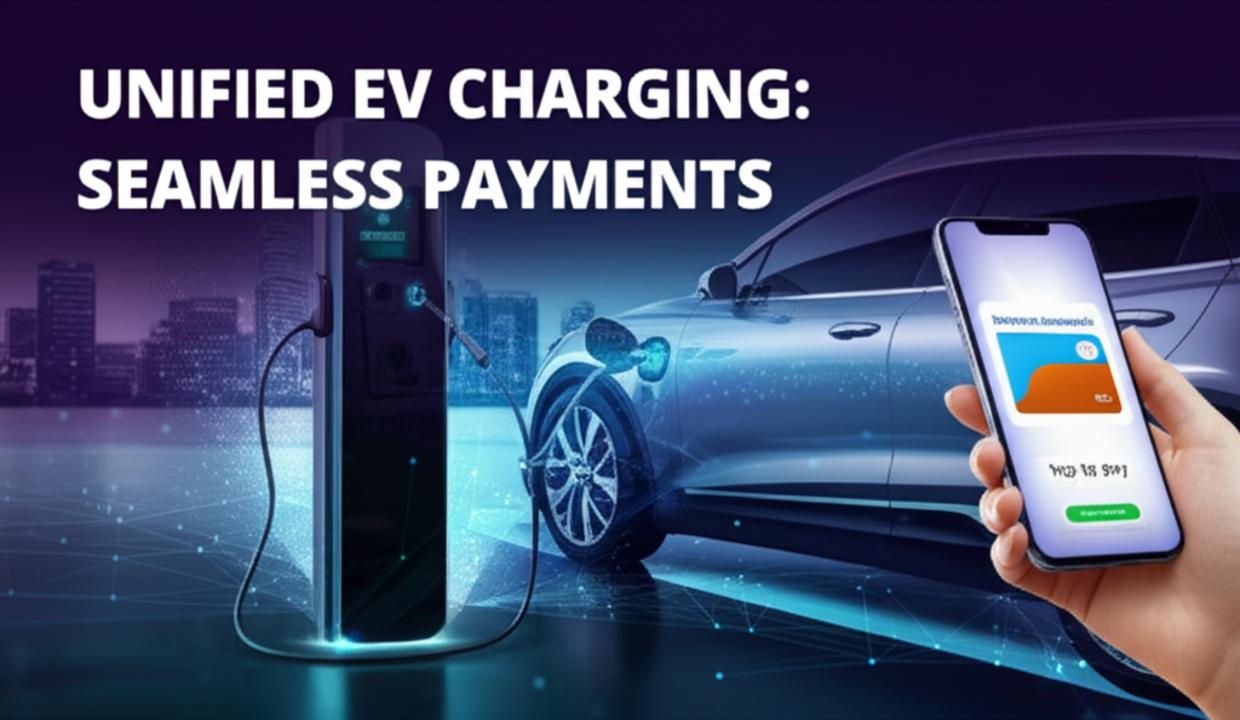
At its heart, an EV charging wallet is a digital solution that aggregates your preferred payment methods into a single, convenient platform specifically tailored for electric vehicle charging. This eliminates the need for multiple apps, RFID cards, or complex registration processes for different charging providers. Think of it as your universal key to every compatible charging station, making the charging process as simple as tap, pay, and charge.
These wallets are more than just payment conduits; they are intelligent systems that facilitate real-time communication between the user, the charging station, and the payment gateway. By providing a consistent and intuitive experience, they address one of the most significant pain points in the current EV landscape: payment friction.
Key Features and Performance of Unified EV Payment Platforms
The power of EV charging wallets lies in their multifaceted design, which focuses on user convenience, security, and broad applicability. Here’s a closer look at their standout features:
Unified Payment Interface (UPI) and Unified e-Mobility Interface (UEI) Integration
The backbone of many advanced EV charging wallets involves sophisticated interface technologies. While a Unified Payments Interface (UPI), widely recognized in countries like India, handles instant bank-to-bank transactions, the more specialized Unified e-Mobility Interface (UEI) is designed specifically for the EV charging ecosystem. UEI enables seamless discovery, access, and payment across diverse networks. For example, a UPI-based EV charging wallet embedded within a charging station’s software or a mobile app allows users to initiate and complete payments instantly and securely via their smartphones, simplifying transactions dramatically without the need for multiple cards or complicated steps. To understand the nuances between these, you can read more about UPI vs. UEI.
Multiple Payment Options and Unparalleled Flexibility
Leading EV payment platforms prioritize inclusivity by supporting a wide array of payment methods. Solutions like those offered by Nayax support everything from traditional credit and debit cards to modern mobile wallets (e.g., Apple Pay, Google Pay), RFID cards, contactless NFC payments, and even specialized fleet cards or prepaid plans. This comprehensive approach ensures that drivers can use their preferred method at any compatible station, significantly enhancing the overall electric vehicle charging experience for everyone.
Cloud-Based and Real-Time Systems for Seamless Management
Modern EV charging wallets are powered by robust cloud technology. This infrastructure enables real-time transaction processing, providing immediate data on charging progress, transparent usage tracking, and clear billing for both users and operators. This real-time capability facilitates advanced analytics, efficient payment reconciliation, and superior customer service. It means you can always see your charging status and costs instantly, whether you are at the station or checking your app remotely.
Enhanced Security and Unmatched Convenience
Security is paramount when handling financial transactions, and EV charging wallets employ strong encryption and sophisticated fraud prevention measures to protect your payments. They significantly reduce payment friction by supporting secure contactless and subscription-based models. This allows drivers to charge their vehicles without the hassle of cash or navigating complex, disparate payment interfaces, thereby greatly improving user trust and satisfaction. The convenience factor is immense, as a single wallet streamlines the entire process, making electric vehicle charging feel effortless and secure.
Interoperability and Broad Ecosystem Integration
Perhaps one of the most critical aspects of EV charging wallets is their ability to foster interoperability. By creating a standardized ecosystem, these platforms allow different charging point operators (CPOs), energy companies, and payment providers to connect and interact smoothly. This integration is crucial for overcoming the current fragmentation in the EV charging market, enabling truly seamless payments across various providers and geographic locations. This interconnectedness is key to unlocking the full potential of EV infrastructure globally, addressing the challenges of a multi-vendor environment and allowing drivers to experience seamless EV charging payment solutions.
Broader Adoption and Financial Inclusion
By leveraging widely accepted platforms like UPI in diverse markets, these EV payment wallets significantly increase the accessibility of EV charging infrastructure, especially in remote and underserved areas. This inclusivity supports broader government goals for clean, equitable, and sustainable transportation. The ease of payment encourages more people to consider purchasing an EV, knowing that charging will not be a logistical nightmare. This push towards unified EV payment is crucial for mass market adoption.
Technologies Powering Your EV Charging Wallet
Behind the user-friendly interface of an EV charging wallet is a sophisticated array of technologies working in harmony to deliver a seamless experience. Understanding these components sheds light on the robustness of these charging solutions.
| Technology | Role in EV Charging Wallets |
|---|---|
| UPI (Unified Payments Interface) | Facilitates instant, secure, bank-to-bank payments, often integrated for diverse payment options. |
| UEI (Unified e-Mobility Interface) | A specialized platform for EV charging, enabling discovery, access, and payment across various networks. |
| RFID (Radio-Frequency Identification) | Allows for quick tap-and-go payment at charging points using an RFID card or fob. |
| NFC/Contactless Cards | Enables payments via smartphones or physical cards by simply tapping them against a reader. |
| Mobile Wallets | Integrates popular apps like Google Pay, Apple Pay, and others for convenient digital payments. |
| Cloud-based Systems | Provides real-time transaction processing, data access, secure integration, and scalability for the entire network. |
How EV Charging Wallets Revolutionize Your Charging Experience
For the average EV driver, the impact of these wallets is profound. Gone are the days of downloading multiple apps, creating separate accounts, and carrying a handful of RFID cards. With a unified wallet, the process becomes streamlined and stress-free. You can arrive at a station, quickly identify it via an app, initiate charging, and pay, all within moments. This efficiency frees up your time and reduces range anxiety, allowing you to focus on your journey rather than payment logistics.
The real-time data provided also empowers users. You can monitor your charging session, track your spending, and view your history, giving you complete control and transparency over your electric vehicle charging habits. This level of insight helps drivers manage their costs and plan their routes more effectively.
A Glimpse into the Future: 2025 and Beyond for EV Payment Platforms
As we move towards 2025, the evolution of EV charging wallets continues at a rapid pace. The emphasis is on even greater integration, predictive capabilities, and a truly global reach. We’re seeing more sophisticated backend systems that can anticipate demand, manage energy loads, and even integrate with smart home systems for optimized off-peak charging. The goal is to make charging not just simple, but intelligent.
Companies like Nayax are at the forefront of this revolution, offering robust EV charging payment platforms that already support a multitude of cashless methods including credit/debit cards, mobile wallets, and RFID. Their cloud-integrated systems ensure seamless connectivity and real-time data, enhancing both user convenience and network scalability. This comprehensive approach is pivotal for creating a connected, convenient EV charging ecosystem that supports mass EV adoption.
The vision for 2025 is a world where any EV can charge at any station with minimal effort, thanks to a universal payment solution that is as intuitive as contactless payment at a grocery store. This seamless experience will undoubtedly accelerate the transition to sustainable transportation globally, making #EVCharging more accessible than ever before.
The Benefits of Unified EV Payment Platforms
The advantages of adopting unified EV payment platforms are extensive, benefiting individual drivers, charging network operators, and the broader EV ecosystem:
- Unmatched Convenience: A single account for all your charging needs simplifies the process dramatically. No more juggling multiple apps or physical cards.
- Increased Accessibility: Broader interoperability means more charging options are available, even on different networks.
- Enhanced Security: Centralized platforms can implement robust encryption and fraud prevention measures more effectively.
- Real-Time Transparency: Instant access to charging data, costs, and history empowers users with better control.
- Reduced Range Anxiety: Knowing you can pay easily at almost any station alleviates concerns about finding compatible payment methods.
- Simplified Business Operations: For charging providers, unified platforms streamline payment collection, reconciliation, and customer support. This is a significant opportunity for the payment industry, as these stations are becoming new points of sale. Learn more about this opportunity and how EV charging stations are a new payments opportunity.
- Accelerated EV Adoption: By removing payment friction, these wallets make the switch to EVs more appealing to a wider audience.
Challenges and Considerations for Widespread Adoption
While the benefits are clear, the path to universal adoption of unified EV payment platforms does face certain challenges. Ensuring uniform security standards across diverse payment methods and providers is complex. There’s also the need for ongoing education to help users transition from traditional payment habits to these new digital wallets. Furthermore, the initial setup and integration with existing legacy charging infrastructure can be a hurdle for some smaller operators. Despite these challenges, the industry is rapidly working towards overcoming them, recognizing the immense value these platforms bring.
Building a Seamless EV Charging Ecosystem
The ultimate goal of EV charging wallets is to facilitate the creation of a truly seamless EV charging ecosystem. This means not just unified payments, but also smart integration with vehicle systems, energy grids, and even home charging solutions. Imagine your car automatically communicating with a charging station, authenticating your wallet, and initiating charging without any manual input. This level of automation and connectivity is within reach, driven by the innovations in unified EV payment technologies. Such developments are revolutionizing EV charging by making it seamless and secure, as highlighted in insights about revolutionizing EV charging.
Why Excellent EV Charging Wallets are Key to Mass Adoption
For the mass market to truly embrace electric vehicles, the charging experience must be as simple and reliable as refueling a gasoline car. Excellent EV charging wallets are not just a convenience; they are a critical enabler of this paradigm shift. By abstracting away the complexities of disparate charging networks and payment systems, they lower the barrier to entry for prospective EV owners. This simplification directly translates to greater confidence in the charging infrastructure, which is essential for scaling EV numbers worldwide. The future of sustainable transportation hinges on these smart, interconnected payment solutions.
FAQ
-
What exactly is an EV charging wallet?
An EV charging wallet is a digital payment platform that allows electric vehicle drivers to pay for charging services across various charging networks using a single account and their preferred payment method, eliminating the need for multiple apps or cards. -
How do EV charging wallets make payment easier?
They consolidate diverse payment options like credit cards, mobile wallets, and RFID into one interface. This means you only need one app or account to pay at different charging stations, streamlining the entire transaction process. -
Are EV charging wallets secure?
Yes, reputable EV charging wallets employ robust encryption, tokenization, and fraud detection measures to protect your financial information and transactions, ensuring a high level of security. -
Can I use an EV charging wallet on any charging network?
The goal of EV charging wallets is to promote interoperability. While universal compatibility is an ongoing effort, leading wallets aim to work across a broad range of charging networks, significantly increasing the number of accessible stations for users. -
What is the difference between UPI and UEI in EV charging?
UPI (Unified Payments Interface) is a general-purpose instant bank-to-bank payment system. UEI (Unified e-Mobility Interface) is a specialized platform designed specifically for the EV charging ecosystem, integrating payment, discovery, and access functionalities for seamless e-mobility services.
Conclusion
The journey towards a fully electric future is multifaceted, and efficient, user-friendly electric vehicle charging is undoubtedly one of its cornerstones. EV charging wallets, acting as robust unified payment platforms, are pivotal in this transition. They offer unparalleled convenience, enhance security, and foster crucial interoperability, transforming what was once a fragmented experience into a seamless one. By simplifying the payment process and embracing advanced technologies like UPI, UEI, and cloud integration, these wallets are not just making charging easier; they are actively accelerating the global adoption of electric vehicles.
As the EV landscape continues to evolve, these smart payment solutions will remain at the forefront, ensuring that powering your EV is as effortless as your drive. Explore more insights on EV technologies and sustainable mobility by checking out our other articles or learning About Us. If you have questions or feedback, feel free to Contact us. Your journey with Excellent EV Charging Wallets begins here!
Watch More in This Video
A YouTube video from early 2025 explaining unified EV charging payment platforms like Nayax and UEI demonstrates how these wallets integrate multiple payment methods and streamline EV user experiences globally. This comprehensive approach reveals how EV charging wallets are pivotal for creating a connected, convenient EV charging ecosystem that supports mass EV adoption.
Disclaimer: All images and videos are sourced from public platforms like Google and YouTube. If any content belongs to you and you want credit or removal, please inform us via our contact page.