
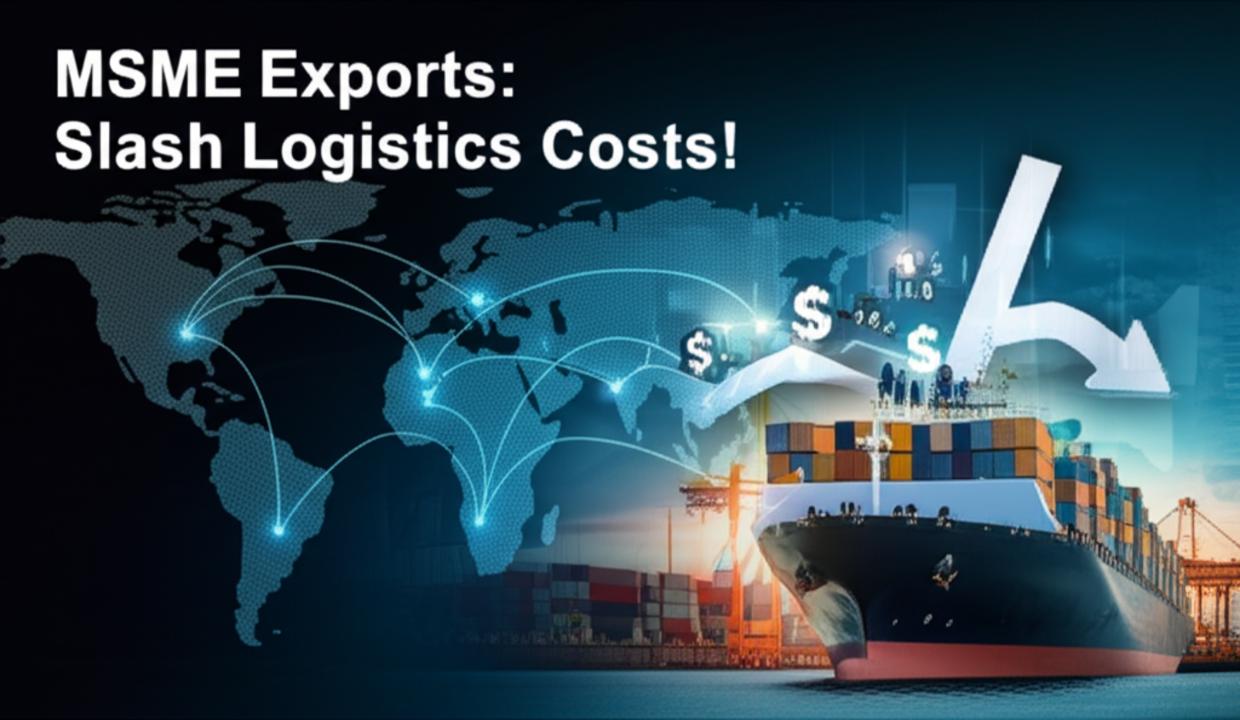
For micro, small, and medium enterprises, navigating the complex world of international trade can be daunting. One of the biggest hurdles is the prohibitive cost of export logistics. High shipping expenses often erode profit margins, making global competitiveness a distant dream for many. However, a transformative solution is emerging: freight aggregators. These innovative entities are reshaping the landscape of MSME export logistics by fundamentally altering how goods are transported, leading to significantly lower export costs and unlocking new opportunities for small businesses worldwide.
This comprehensive guide delves into how freight aggregators operate, their profound impact on MSME shipping, and the crucial role they play in providing effective logistics solutions. We will explore recent breakthroughs, real-world applications, and the exciting future potential of this model, helping you understand how to make your international shipments more affordable and efficient.
Understanding the Freight Aggregation Model for MSMEs
At its core, freight aggregation for MSME export logistics operates on a simple yet powerful principle: consolidation. Imagine dozens of small businesses, each needing to send a few boxes or pallets abroad. Shipping these individually would incur high per-unit costs, as they wouldn’t fill a standard shipping container or truck efficiently.
Freight aggregators solve this by pooling together these smaller consignments from various micro, small, and medium enterprises. They consolidate them into larger, full container loads (FCL) or full truck loads (FTL). This aggregated volume gives them significant negotiation power with shipping lines, airlines, and trucking companies.
By leveraging this collective bargaining power, aggregators secure much better rates than individual MSMEs could ever hope to achieve. The savings are then passed on to the MSMEs, significantly reducing their per-shipment costs. This model transforms a high fixed cost into a more manageable variable cost, making international shipping accessible and affordable.
The efficiency extends beyond just pricing. Consolidation optimizes space utilization in transport vehicles. It ensures that trucks and containers are filled to capacity, minimizing wasted space and fuel. This not only lowers costs but also contributes to a more sustainable logistics chain. It’s a win-win for everyone involved.
Breaking Down Costs: How Freight Aggregators Deliver Savings
The primary benefit of using freight aggregators is undoubtedly the substantial reduction in export logistics costs. This cost saving is multifaceted and impacts various aspects of the shipping process.
- Volume Discounts: Aggregators, by combining numerous shipments, act as a single, large customer for carriers. This volume allows them to access bulk discounts that are typically unavailable to individual MSMEs, passing those savings directly down the line.
- Optimized Routing: They possess the expertise and technology to identify the most cost-effective and efficient shipping routes. This includes choosing the right mode of transport – sea, air, or land – and optimizing transit times to avoid unnecessary expenses like demurrage or detention charges.
- Reduced Administrative Burden: Handling customs paperwork, tracking, and compliance can be complex and time-consuming for MSMEs. Aggregators often manage these aspects, reducing the need for MSMEs to hire specialized staff or spend valuable time on administrative tasks.
- Lower Insurance Premiums: By handling a large volume of goods, aggregators may also secure better rates for cargo insurance, which translates into further savings for MSMEs.
Essentially, freight aggregators democratize access to efficient, large-scale logistics, allowing even the smallest businesses to enjoy benefits previously reserved for multinational corporations. This is a crucial step towards fostering a more inclusive global trade environment.
Revolutionary Strides in MSME Export Logistics
The field of MSME export logistics is undergoing significant transformation, driven by a combination of private sector innovation and government support. These developments are directly impacting how freight aggregators can offer even better logistics solutions.
One of the most significant breakthroughs is the entry of major integrated logistics players. For instance, the Adani Group, which controls approximately 45.5% of container handling in Indian ports, is now offering end-to-end trucking and shipping solutions. This integrated approach is revolutionizing freight forwarding by providing MSMEs access to streamlined, cost-effective freight services and better ocean rates. Their vast infrastructure allows for unparalleled efficiency and scale.
Government initiatives are also playing a pivotal role. The PM Gati Shakti National Master Plan, for example, is developing multimodal logistics corridors, integrated cold chain networks, and dedicated logistics parks. These infrastructure improvements are designed to enhance the overall supply chain ecosystem for MSMEs, aiming to reduce India’s logistics costs from around 13-14% of GDP to under 8% by 2030. Such large-scale development directly lowers costs and significantly improves export efficiency for MSMEs, making the work of aggregators even more impactful.
Furthermore, digitisation efforts are simplifying the entire process. The launch of the National Logistic Portal (Marine) stands as a prime example. This one-stop digital platform connects all logistics stakeholders digitally across roadways, airways, and waterways. It simplifies and reduces transaction time and costs for exporters, making MSME shipping more transparent and less cumbersome. This digital integration allows freight aggregators to operate with greater agility and offer real-time tracking and improved transparency to their MSME clients.
Real-World Impact: MSMEs Leveraging Aggregation for Success
The benefits of freight aggregation are not theoretical; they are being realized by MSMEs every day. Small businesses are strategically using these services to overcome traditional barriers to international trade.
Many MSMEs, particularly those dealing with time-sensitive or fragile goods, utilize freight aggregators to group consignments by zone and schedule dispatches strategically. This avoids the high costs and potential delays associated with solo shipments. By coordinating their packaging with pickup windows and engaging logistics partners early, they create smoother export workflows. This proactive aggregate planning helps cut costs and prevent delays, ensuring goods reach their destination efficiently.
A recent critical example of the importance of aggregation emerged during global crises like the Red Sea crisis. This event caused significant disruptions, increasing shipping insurance and rerouting costs. Amidst these challenges, MSMEs increasingly relied on freight aggregation and government-supported logistics improvements. Despite rising air freight charges and longer shipping routes, these strategies helped them maintain export competitiveness, demonstrating the resilience and adaptability offered by aggregated logistics solutions.
By transforming logistical challenges into manageable operations, aggregators enable MSMEs to focus on their core business: production and market development. This strategic partnership fosters growth and allows small businesses to compete on a global scale.
Beyond Cost: Comprehensive Benefits of Freight Aggregators for MSMEs
While cost reduction is a primary driver, freight aggregators offer a spectrum of other invaluable benefits for MSME export logistics:
- Improved Delivery Timelines and Reduced Delays: Through structured aggregate planning and advanced digital tracking, aggregators optimize routes and schedules. This leads to more predictable delivery times and significantly reduces the likelihood of costly delays, crucial for maintaining customer satisfaction and supply chain integrity.
- Enhanced Market Reach: With integrated multi-modal logistics infrastructure and robust digital platforms, MSMEs can confidently ship to a wider array of international markets. The complexities of diverse import regulations and customs procedures are often handled by the aggregator, broadening the MSME’s global footprint.
- Reduced Working Capital Stress: Efficient freight forwarding enables just-in-time (JIT) delivery, meaning goods spend less time in transit and warehousing. This minimizes inventory holding costs and frees up working capital for MSMEs, allowing them to reinvest in growth rather than tying up funds in stock.
- Access to Expertise: Many MSMEs lack in-house logistics experts. Aggregators provide access to a wealth of knowledge regarding international trade laws, customs compliance, and optimal shipping practices, acting as an extended logistics arm for the MSME.
These combined benefits empower MSMEs to not only save money but also to scale their operations, explore new markets, and enhance their overall business efficiency, proving that freight aggregators are more than just a cost-cutting measure.
The role of MSMEs and supply chain efficiency in driving economic growth cannot be overstated. By streamlining logistics, aggregators contribute significantly to this vital sector. You can learn more about their broader economic impact here.
Future Potential and Navigating Current Limitations
The future of MSME export logistics, particularly with the rise of freight aggregators, looks promising. Further digitisation, greater multi-modal integration, and the continued entry of large players like Adani into freight forwarding are expected to intensify competition. This increased competition will likely drive down freight costs even further for MSMEs, making global trade even more accessible.
The evolution of digital platforms, enabling seamless communication and transaction between all logistics stakeholders, will continue to simplify processes and reduce inefficiencies. The vision of a fully integrated, transparent, and responsive logistics ecosystem is steadily becoming a reality.
However, MSMEs still face significant challenges. Global uncertainties, such as ongoing geopolitical crises, can drastically impact shipping routes and cause sudden surges in freight charges. The recent Red Sea crisis is a stark reminder of how external factors can disrupt even the most optimized supply chains. Such events necessitate adaptability and strong partnerships with reliable aggregators.
Moreover, the scale and digital readiness of individual MSMEs vary widely. Widespread adoption of freight aggregation and advanced logistics systems requires ongoing government support and capacity building. Education and training are vital to ensure all MSMEs can fully leverage these modern logistics solutions and integrate them into their operations. This is where initiatives promoting digital literacy and technical assistance for MSMEs become crucial.
Digitisation, for instance, is already proving to be a game-changer. Learn how digitisation is uncomplicating logistics for MSME exporters.
FAQs: Your Quick Guide to Freight Aggregators
- What is a freight aggregator in MSME export logistics?
A freight aggregator consolidates smaller shipments from various MSMEs into larger, more cost-effective consignments. This allows them to negotiate better rates with carriers and offer lower per-shipment costs to MSMEs, simplifying international trade for small businesses. - How do freight aggregators lower export costs for MSMEs?
They leverage bulk buying power, optimize shipping routes, reduce administrative overhead by handling documentation, and secure better insurance rates. This collective approach significantly reduces per-unit costs compared to individual MSME shipments. - Are freight aggregators suitable for all types of MSME shipping?
Yes, they cater to a wide range of goods and industries. Whether you’re shipping small parcels, pallets, or even less-than-container loads (LCL), aggregators can provide tailored solutions that fit your specific needs and volume requirements. - What role does government policy play in supporting freight aggregators?
Government initiatives like infrastructure development (e.g., PM Gati Shakti) and digital platforms (e.g., National Logistic Portal) create a more efficient logistics ecosystem. This support enables aggregators to operate more effectively, further benefiting MSMEs with reduced costs and improved efficiency. - How do global crises like the Red Sea impact MSME export logistics using aggregators?
While global crises can increase shipping costs and transit times, relying on freight aggregators helps MSMEs mitigate these impacts. Aggregators often have more routing options and better negotiation power even in challenging times, helping MSMEs maintain competitiveness.
Conclusion: The Future is Aggregated
The ascent of freight aggregators marks a pivotal shift in MSME export logistics. By offering a potent combination of reduced costs, enhanced efficiency, and simplified processes, they are dismantling barriers that once held back small and medium-sized enterprises from global markets. From leveraging the scale of integrated players like the Adani Group to benefiting from government-led infrastructure initiatives like PM Gati Shakti, the ecosystem for MSME shipping is becoming increasingly supportive and affordable.
Embracing these logistics solutions is no longer just an option but a strategic imperative for MSMEs aiming for global expansion. As digitisation continues to advance and competition intensifies, the benefits of aggregation will only grow, paving the way for a more vibrant and accessible international trade landscape for all. #ExcellentFreightAggregators
We hope this article has provided valuable insights into how freight aggregators can significantly lower export costs for your business. Feel free to share your thoughts in the comments below, or to contact us for more information. You can also learn more about us by visiting our About Us page or read other articles on efficient logistics solutions.
Disrupting Freight: Inside India’s MSME Export Market
Disclaimer: All images and videos are sourced from public platforms like Google and YouTube. If any content belongs to you and you want credit or removal, please inform us via our contact page.