
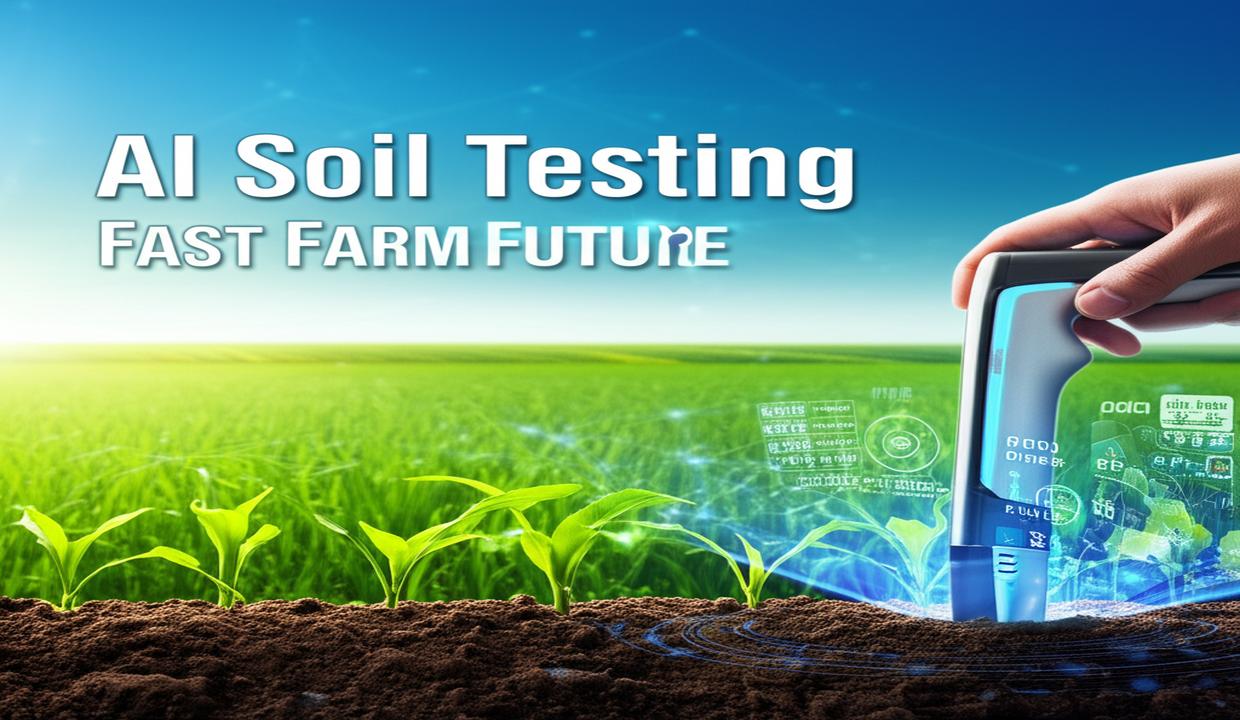
In the evolving landscape of agriculture, traditional farming methods are rapidly being replaced by innovative, data-driven approaches. At the forefront of this revolution are agri soil testing startups, transforming how farmers understand and manage their most vital asset: the soil. These dynamic companies are not just offering services; they’re providing a lifeline to modern farmers, enabling them to make informed decisions that enhance productivity and sustainability.
This article delves into how these pioneering soil testing startups are leveraging cutting-edge technology, like AI, IoT, and advanced sensors, to deliver quick, real-time pH and nutrient insights. We’ll explore their working principles, recent innovations, and the tangible benefits they bring to the agricultural sector, from optimizing fertilizer use to boosting crop yields. Get ready to discover how the future of farming is being shaped, one accurate soil test at a time.
Main Highlights: Agri Soil Testing Startups: Quick pH and Nutrient Insights
The core promise of modern agri soil testing lies in its speed and precision. Unlike traditional lab tests that can take days or weeks, these startups offer on-site, instant feedback.
- Real-Time Data: Farmers receive immediate insights into soil health.
- AI-Powered Analysis: Advanced algorithms interpret data for actionable recommendations.
- Low-Cost Solutions: Making sophisticated testing accessible to a wider range of farmers.
- IoT-Enabled Devices: Seamless data collection and cloud-based analytics.
- Optimized Input Use: Precision application of fertilizers, reducing waste and cost.
- Enhanced Crop Productivity: Tailored nutrient management leads to healthier, higher-yielding crops.
The Core of Innovation: How Quick Agri Soil Testing Works
At the heart of these modern solutions is a blend of hardware and software intelligence. Soil testing startups are deploying innovative methods to gather and interpret crucial soil data quickly and efficiently. Their approaches fundamentally change the timeline and cost associated with soil analysis.
These startups typically utilize portable sensors or Internet of Things (IoT) devices. These gadgets are designed to be deployed directly in the field, measuring various chemical properties of the soil on-site. Key parameters include pH levels, moisture content, organic matter, and the concentrations of essential macronutrients like Nitrogen (N), Phosphorus (P), and Potassium (K), along with other vital micronutrients.
Once the raw data is collected by these advanced sensors, it doesn’t just sit there. It’s immediately transmitted for analysis, often leveraging powerful Artificial Intelligence (AI) algorithms or cloud-based analytics platforms. This sophisticated processing transforms raw numbers into precise, understandable soil health statuses and highly specific fertilizer recommendations.
The beauty of this system is its speed. Recommendations are delivered quickly, frequently in real-time, directly to the farmer’s mobile device or computer. This capability enables true precision agriculture practices, allowing farmers to adjust their input strategies dynamically based on immediate soil needs. The insights are not only quick but also highly accurate, guiding farmers to optimize their resource allocation effectively.
Beyond the Lab: Quick Soil pH Test and Nutrient Insights
Understanding soil pH is fundamental to successful farming. It dictates the availability of nutrients to plants. For instance, a quick soil pH test can instantly reveal if your soil is too acidic or alkaline, which is crucial for nutrient uptake. If the pH level is off, even abundant nutrients might not be accessible to crops.
As an example, iron availability significantly decreases when soil pH exceeds 6, directly impacting a crop’s ability to absorb this vital mineral. Timely pH adjustments, guided by rapid testing, can prevent nutrient deficiencies before they impact plant health and yield. This immediate feedback helps farmers maintain optimal soil conditions for their specific crops.
Beyond pH, comprehensive soil nutrient analysis is equally vital. Modern agri soil testing systems quantify the levels of essential elements like Nitrogen (N), Phosphorus (P), Potassium (K), Calcium (Ca), and Magnesium (Mg). Knowing these levels precisely allows for tailored fertilization strategies. Instead of applying a blanket amount of fertilizer, farmers can target deficiencies.
This precision not only improves crop yield by ensuring plants receive the right nutrients at the right time but also significantly reduces the environmental impact. Over-fertilization, a common issue, leads to nutrient runoff that pollutes waterways. By applying only what’s needed, farmers can minimize waste and contribute to more sustainable farming practices. This data-driven approach fosters both economic and ecological benefits.
Pioneering Solutions: Leading Soil Testing Startups and Their Innovations
The landscape of soil testing startups is vibrant, with several innovators leading the charge in developing accessible, high-tech solutions. These companies are not just creating tools; they are building ecosystems that empower farmers with actionable data.
One notable example is Farmspace, a startup that has introduced a low-cost, AI-powered device specifically designed for instant soil fertility analysis. This innovation allows even rural farmers, who might lack access to traditional lab services, to perform field tests on their own. By providing immediate results, Farmspace enables precise fertilizer application, drastically reducing waste and cutting down on operational costs for farmers. Their technology democratizes access to critical agricultural insights, making precision farming a reality for many.
Another compelling player is Growa.ai, which, alongside companies like Agera, offers sophisticated IoT sensor systems. These systems go beyond just soil data; they integrate seamlessly with satellite imagery and cloud analytics. The result is a comprehensive, real-time data stream covering pH, nutrient levels, moisture content, and even soil temperature. This wealth of information is then distilled into actionable crop recommendations, delivered conveniently via mobile platforms.
The ability to combine diverse data sources, from on-ground sensors to aerial imagery, provides an unparalleled holistic view of field conditions. Such integrated solutions allow farmers to anticipate issues, respond proactively, and optimize every aspect of their crop management. These innovations highlight a shift towards truly intelligent, data-driven agricultural practices, ensuring resources are used efficiently for maximum benefit.
Optimizing Yields and Reducing Costs: The Benefits of Real-Time Soil Nutrient Analysis
The advent of portable and AI-based agri soil testing fundamentally shifts the power dynamic in farming. Farmers are no longer reliant on external laboratories for delayed results; they gain immediate, actionable insights right in their fields. This timely data empowers them to make critical decisions without delay, which is vital in agriculture where timing often dictates success or failure.
For instance, knowing the precise pH and nutrient levels allows farmers to apply the correct type and amount of fertilizer exactly when and where it’s needed. This targeted approach prevents both over-fertilization, which wastes money and harms the environment, and under-fertilization, which limits yield potential. The result is a significant improvement in operational efficiency, as resources are utilized optimally.
Moreover, these technologies are crucial for building resilience against climate disruptions. With rapid changes in weather patterns, soil conditions can fluctuate unpredictably. Real-time monitoring allows farmers to adapt quickly, making adjustments to irrigation or nutrient management based on current soil moisture or nutrient leaching, for example. This adaptability is a cornerstone of climate-smart agriculture, enabling farmers to mitigate risks and maintain productivity even in challenging conditions.
The benefits extend beyond just yield and efficiency. By reducing the reliance on synthetic inputs through precise application, farmers can also improve the long-term health and fertility of their soil. This contributes to a more sustainable agricultural ecosystem, reducing the carbon footprint and promoting biodiversity. It’s a win-win for both the farmer’s bottom line and the planet’s well-being.
What’s New and Next in 2025: Emerging Trends in Agri Soil Testing
The year 2025 marks a significant phase in the evolution of agri soil testing startups, with continued advancements in integration and accessibility. The focus remains on making these sophisticated technologies even more practical and pervasive for everyday farming operations.
One of the most exciting developments is the increasing sophistication of AI and IoT solutions. We’re seeing devices that are not just quicker but also more intuitive, requiring less technical expertise from the farmer. This ease of use is critical for broader adoption, particularly in regions where digital literacy might still be developing.
The industry is moving towards hyper-localized data analysis. Imagine a system that doesn’t just tell you the nutrient levels for your entire field but provides micro-zone specific recommendations. This level of granularity ensures every square meter of soil receives precisely what it needs, maximizing efficiency and minimizing waste. This granular approach is being refined in 2025.
Furthermore, there’s a strong push towards predictive analytics. Beyond just telling you what your soil needs now, the next generation of soil testing startups will predict future needs based on weather forecasts, crop growth stages, and historical data. This proactive approach allows farmers to plan their operations far in advance, enhancing preparedness and reducing last-minute stresses.
The integration of satellite imagery with on-ground sensor data is also becoming more seamless. This combination offers a powerful bird’s-eye view and a microscopic understanding of the soil, providing a comprehensive picture for decision-making. These integrated platforms are evolving to provide more robust and reliable insights, making farming more scientific than ever before.
Addressing the Challenges and Expanding Horizons
Despite the immense promise, the path for agri soil testing startups is not without its hurdles. One significant challenge is ensuring broad adoption, especially in regions with limited digital literacy. While devices are becoming simpler, bridging the knowledge gap remains crucial for widespread use. Educational initiatives and user-friendly interfaces are key to overcoming this.
Another critical aspect is device calibration. To ensure the reliability of on-site measurements, portable devices must be regularly calibrated against established lab standards. Maintaining this accuracy across diverse soil types and environmental conditions is a continuous effort for these startups. Regular updates and rigorous testing are essential to build farmer trust.
Integrating multi-source data is another complex task. Modern soil health management often requires combining data from soil sensors, weather stations, satellite imagery, and even drone surveys. Synthesizing these disparate data streams into cohesive, actionable insights demands sophisticated analytical platforms. Companies like those mentioned earlier are constantly refining their algorithms to achieve this holistic view, as explored by experts at EOS.com on soil testing advancements.
The future potential, however, far outweighs these limitations. Many of these technologies aim to scale their outreach significantly, targeting millions of smallholder farmers who stand to gain the most from precise input use. For instance, Farmspace has ambitious plans to expand its presence across 25 Nigerian states, demonstrating the global ambition of these innovators.
The continuous improvement in cost-effectiveness and precision means these solutions will become even more accessible and indispensable. The goal is to make advanced soil diagnostics a standard practice, not a luxury, enabling sustainable agriculture globally. This scaling will require strong partnerships and continued investment in R&D, potentially leading to even more affordable and robust tools, as highlighted by MIT Solve’s Climate Adaptation Challenge solutions.
Understanding the Investment: Cost-Effectiveness of New Soil Testing Startups
When considering new agricultural technologies, cost is always a primary concern for farmers. Historically, comprehensive soil testing could be expensive and time-consuming, acting as a barrier for many, especially smallholder farmers. However, agri soil testing startups are fundamentally changing this equation by focusing on affordability and value.
Many of these new solutions are specifically designed to be “low-cost.” This doesn’t mean a compromise on quality, but rather an emphasis on streamlined processes and efficient technology. By using portable, sensor-based devices that provide instant results, they eliminate the logistical overhead of sending samples to labs, reducing both time and transportation costs. This makes the initial investment in a device or service plan more palatable for a wider range of farmers.
The true cost-effectiveness comes from the long-term savings and increased profitability. Precision fertilization, guided by accurate soil nutrient analysis, means farmers buy only the fertilizer they truly need, reducing expenditure on unnecessary inputs. This also minimizes waste and environmental impact, which can lead to indirect savings through better resource management and potential compliance with environmental regulations.
Moreover, improved crop yields, a direct result of optimized nutrient management, translate into higher revenue. When combined, the savings on inputs and the increase in output demonstrate a strong return on investment for adopting these modern soil testing technologies. Startups are also exploring subscription models or pay-per-test options to further lower the barrier to entry, making advanced soil science accessible to every farm, regardless of its size.
Pros and Cons of Embracing Modern Agri Soil Testing Technologies
| Pros | Cons |
|---|---|
| Quick, real-time insights for immediate action. | Initial investment in devices or subscriptions. |
| Optimized fertilizer use, reducing costs and waste. | Requires some digital literacy and device handling. |
| Enhanced crop yields and overall productivity. | Calibration against lab standards needed for accuracy. |
| Supports climate-smart and sustainable agriculture. | Data integration can be complex with multiple sources. |
| Accessible for smallholder farmers due to lower costs. | Reliance on connectivity (for IoT/cloud solutions). |
Future Outlook: The Transformative Potential of Soil Testing Startups
The trajectory of agri soil testing startups points towards a future where data-driven agriculture is the norm, not the exception. The rapid advancements in AI, IoT, and sensor technology are poised to make soil health management more precise, predictive, and pervasive than ever before. This ongoing innovation promises to reshape farming for decades to come.
We can anticipate even more sophisticated predictive models, where AI learns from vast datasets of soil conditions, weather patterns, and crop responses to offer highly accurate forecasts for nutrient needs. This will enable farmers to move from reactive management to truly proactive planning, optimizing every stage of crop growth. Explore more about emerging trends at StartUs Insights on soil monitoring innovations.
The integration of these soil insights with broader farm management platforms will also become more seamless. Imagine a single dashboard that provides a holistic view of everything from irrigation schedules and pest management to harvest forecasting, all informed by real-time soil data. This holistic approach will streamline operations and reduce decision-making complexity for farmers.
Furthermore, the focus on sustainable practices will intensify. By minimizing the environmental footprint of agriculture through precise input use, these technologies will play a crucial role in addressing global challenges like climate change and food security. The goal is to feed a growing population while preserving natural resources for future generations. For additional insights on soil management, consider resources from Ohio State University Extension.
Ultimately, soil testing startups are not just selling devices or services; they are selling a vision of efficient, resilient, and environmentally responsible farming. By empowering farmers with timely, accurate information, they are cultivating a new era of agricultural prosperity. The future of farming is smart, and it starts with smart soil analysis, for instance, advancements by EarthOptics are leading the way in comprehensive soil insights.
FAQ
- What is quick pH and nutrient insight in agri soil testing?
Quick pH and nutrient insight refers to the rapid, on-site measurement of soil acidity/alkalinity (pH) and essential nutrient levels (N, P, K, etc.) using portable sensors or IoT devices. These systems provide immediate results, often within minutes, allowing farmers to make timely decisions about fertilizer application and soil amendments, unlike traditional lab tests that can take days or weeks. - How do AI and IoT enhance soil testing?
AI (Artificial Intelligence) algorithms analyze the raw data collected by IoT (Internet of Things) sensors in real-time. AI interprets complex soil chemical properties and provides precise recommendations. IoT devices ensure seamless data collection from the field and transmit it to cloud platforms for AI processing, enabling continuous monitoring and remote access to soil health information for farmers. - What are the benefits of low-cost soil testing devices for farmers?
Low-cost soil testing devices make advanced soil analysis accessible to a wider range of farmers, including smallholder farmers. They reduce the financial barrier to entry, cut down on traditional lab fees, and eliminate transportation costs for samples. This affordability encourages more frequent testing, leading to better-informed decisions, optimized input use, and ultimately, improved crop yields and profitability. - How does quick soil testing help in optimizing fertilizer use?
Quick soil testing provides immediate data on exactly which nutrients are deficient or abundant in specific areas of a field. This precision allows farmers to apply the right type and amount of fertilizer only where it’s needed, avoiding over-application or under-application. This targeted approach reduces fertilizer waste, lowers operational costs, minimizes environmental impact, and ensures crops receive optimal nutrition for growth. - Are these new soil testing technologies difficult for farmers to use?
Many agri soil testing startups prioritize user-friendliness in their device design and mobile applications. While some basic digital literacy is helpful, the aim is to make the technology intuitive and easy to operate. Companies often provide training and support, and ongoing innovations are focused on simplifying interfaces to ensure broad adoption across diverse farming communities.
Conclusion
The emergence of agri soil testing startups marks a pivotal moment in the modernization of agriculture. By harnessing the power of AI, IoT, and advanced sensor technology, these innovators are delivering quick, real-time pH and nutrient insights directly into the hands of farmers. This revolution in soil diagnostics is not merely about technology; it’s about empowering farmers to make smarter, more sustainable decisions.
The benefits are clear: optimized fertilizer use, reduced operational costs, enhanced crop yields, and a significant step towards climate-smart agriculture. As these solutions become more accessible and refined, they promise to unlock unprecedented levels of efficiency and resilience for farmers worldwide. The future of farming is inherently linked to intelligent soil management, and these startups are paving the way forward. Join the conversation and share your thoughts on how these innovations are impacting your farm or community! Check out our About Us page to learn more about our mission or Contact us directly with your inquiries. #AgriTech #SoilHealth #PrecisionFarming
Watch More in This Video
Curious to see these innovations in action? This 2025 YouTube video titled “AI & IoT Solutions for Quick Soil Health Analysis in Agriculture” provides an insightful review. It showcases recent startup innovations like Farmspace and Growa.ai, featuring live demonstrations of portable devices. Witness how these tools provide rapid soil pH and nutrient readings, helping farmers efficiently adopt precision agriculture. This video was published in May 2025.
Disclaimer: All images and videos are sourced from public platforms like Google and YouTube. If any content belongs to you and you want credit or removal, please inform us via our contact page.